
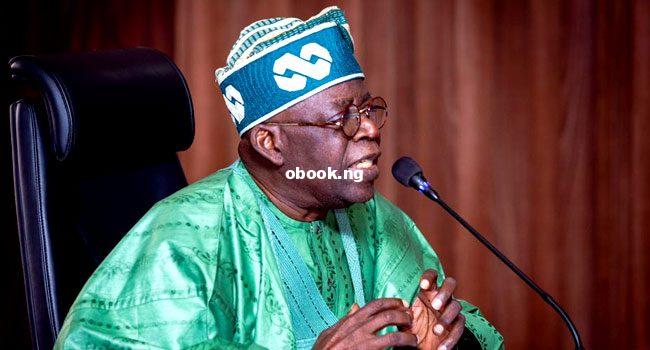
Unrest in Nigeria: Economic Hardship and Protests
In August 2024, Nigeria has been gripped by significant civil unrest and widespread protests organized by the Nigeria Labour Congress (NLC) and various civil society groups. These protests stem from deep-seated economic hardship, high inflation, and insecurity that have plagued the country. Demonstrations have taken place in major cities such as Abuja, Lagos, Oyo, and Jos, where citizens expressed their grievances through marches and public rallies (DW) (Vanguard News).
The Economic Crisis and Public Response
The primary drivers of the protests include skyrocketing costs of living, persistent inflation, and the government’s perceived failure to address these issues adequately. Many Nigerians have taken to the streets to demand immediate and effective action to alleviate their economic burdens. The protests have seen participation from a broad cross-section of society, reflecting widespread dissatisfaction with the current state of affairs.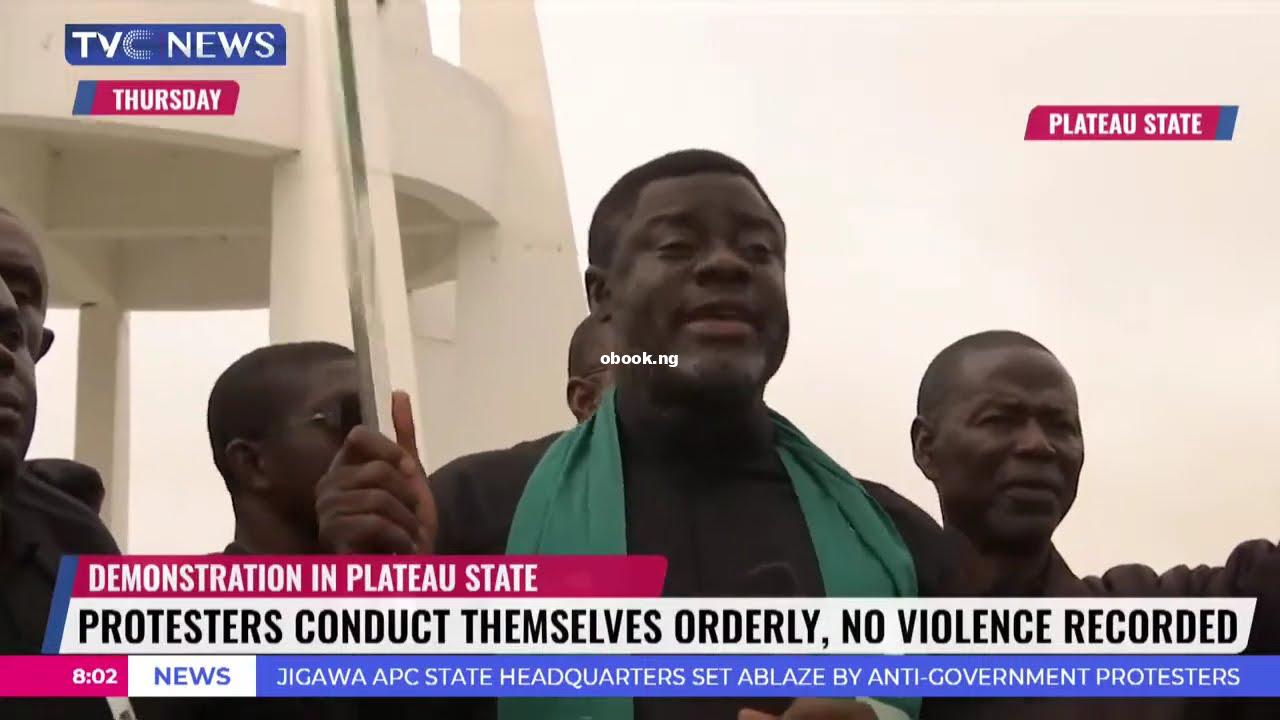
Specific Incidents During Protests
During these demonstrations, tensions have run high, leading to several clashes between protesters and security forces. In some instances, the police have used force to disperse crowds, exacerbating the unrest. The intensity of these confrontations has varied across different locations, with some areas experiencing more violent encounters than others (DW) (Vanguard News).
International Reactions and Travel Warnings
The ongoing turmoil has attracted international attention. Countries like the United States, United Kingdom, and Canada have issued travel warnings to their citizens, advising them to avoid crowded areas and demonstrations due to the potential for violence. These advisories highlight the concern over the escalating situation and the risks posed to foreign nationals in Nigeria (DW).
Misinformation and Rumors
In the midst of the chaos, there have been rumors and misinformation regarding the actions of protesters. One such rumor suggested that Nigerian protesters attacked the American Embassy in Abuja or Lagos. However, there is no credible evidence to support these claims. The protests, while intense and widespread, have not specifically targeted the American Embassy or other foreign missions (DW) (Vanguard News).
Broader Context of Protests
The protests are part of a larger context of economic and social challenges facing Nigeria. The removal of the fuel subsidy, a significant point of contention, has been a major trigger for the current wave of demonstrations. Protesters argue that the government’s failure to implement agreements made during negotiations has further deepened their economic woes, leading to a more unified and determined opposition on the streets (Vanguard News).
Government Response
The Nigerian government has been criticized for its handling of the protests. Accusations of using excessive force against demonstrators and not addressing the root causes of the economic crisis have been prevalent. The government’s actions have included deploying security forces to maintain order, which has sometimes led to violent encounters and heightened tensions between the state and its citizens (Vanguard News).
SWORDPRESS.NG
While the situation in Nigeria remains fluid and tense, the narrative of protesters attacking the American Embassy lacks substantiation. The focus of the demonstrations has been on domestic issues, particularly economic grievances and governance failures. As the protests continue, it remains crucial for the government to engage constructively with its citizens to address their concerns and restore stability.
Facebook Comments