Climbing Mount Everest is an extraordinary and extremely challenging endeavor, and doing it even once is a significant achievement. Here are some of the key factors that make climbing Everest so difficult:
1. Altitude and Oxygen Levels
- Death Zone: Above 8,000 meters (26,247 feet), known as the “Death Zone,” oxygen levels are insufficient for human survival without supplemental oxygen. The body struggles to acclimatize, leading to severe fatigue and increased risk of altitude sickness.
- Hypoxia: Reduced oxygen can cause hypoxia (lack of oxygen), leading to impaired judgment, decreased physical performance, and life-threatening conditions like pulmonary or cerebral edema.
2. Weather Conditions
- Unpredictable Weather: Everest’s weather is notoriously unpredictable. Extreme cold, high winds, and sudden storms can turn a climb into a deadly challenge.
- Wind Chill: Temperatures can drop below -50°C (-58°F), and wind speeds can exceed 160 km/h (100 mph), creating severe wind chill effects.
3. Technical Difficulty
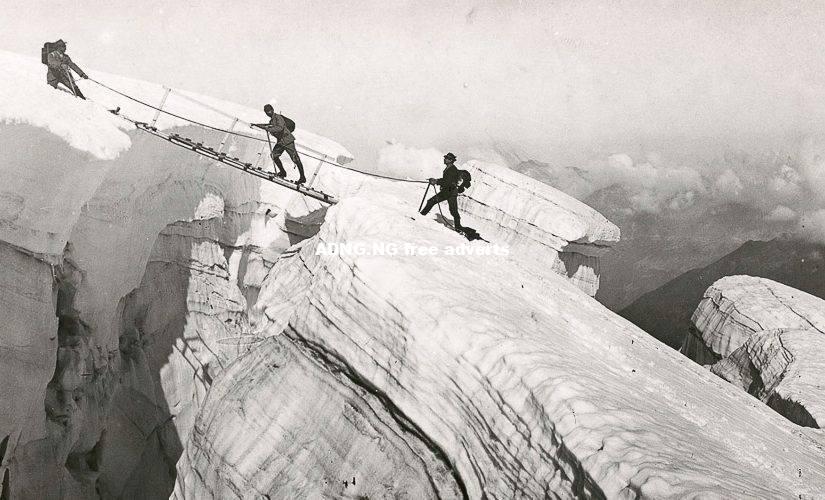
- Climbing Routes: The routes, such as the South Col route or the North Ridge, involve technical challenges like rock faces, icefalls, and crevasses. The Khumbu Icefall, for example, is particularly dangerous due to shifting ice and deep crevasses.
- Rope Fixing: Climbers rely on fixed ropes and ladders to traverse certain sections, which can be physically demanding and require precise techniques.
4. Physical and Mental Endurance
- Physical Demands: Climbing Everest requires exceptional physical conditioning, stamina, and endurance. The ascent and descent involve long, grueling hours, often in extreme conditions.
- Mental Resilience: The psychological pressure of facing potential danger, isolation, and the risk of failure adds to the climb’s difficulty.
5. Logistics and Support
- Expedition Planning: Climbing Everest typically involves significant logistical planning, including obtaining permits, arranging for support teams, and managing supplies.
- Crowds and Traffic: The popularity of Everest means that climbers often face traffic jams on the mountain, which can lead to delays and increase the risk of accidents.
Climbing It Multiple Times
Climbing Everest multiple times, as some climbers have done, involves additional challenges:
- Adaptation: Repeated climbs can lead to acclimatization but also to cumulative physical and mental wear.
- Risk Management: The risks of climbing Everest increase with each ascent due to the potential for developing health issues related to altitude or accumulating fatigue.
Overall, climbing Everest is considered one of the most demanding and dangerous feats in mountaineering. Doing it multiple times requires not only exceptional physical and mental endurance but also a high degree of experience and resilience.
Facebook Comments Box