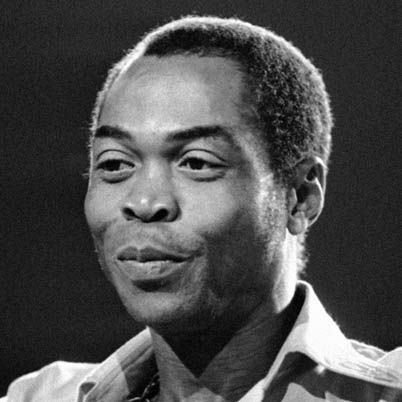
Do you know “ABAMI EDA” the Pioneer of Afrobeat music Fela Anikulapo Kuti ? Here are top ten fact you might not know
Fela invented Afrobeat, blending African rhythms with jazz, funk and soul, using long, political songs to challenge power.
Born October 15, 1938, in Abeokuta. His mother was Funmilayo Ransome-Kuti, a leading women’s rights activist, and his cousin was Wole Soyinka.
In 1979, he ran for president under the Movement of the People party.
He dropped “Ransome” and became “Anikulapo” meaning “he who carries death in his pouch.” to reject colonial identity.
In 1978, he married 27 women in one ceremony, saying it reflected African tradition.
He declared the Kalakuta Republic in Lagos,
using it as a commune, home and creative base.
A 1969 trip to the US exposed him to Black Panthers and Malcolm X, turning his music into a tool for protest.
He was arrested over 200 times for openly attacking corruption and military rule.
He carried a coffin to mock the government Fela and his crew paraded a symbolic coffin through Lagos to “bury” the corrupt regime.
Smoked big spliffs onstage his signature “natural high” look.
20 things you never knew about fela anikuapo kuti in life and death
5
Here are 20 lesser-known things about Fela Aníkúlápó Kuti — in life and in death. Some are surprising, some controversial, all very Fela.
IN LIFE
“Aníkúlápó” wasn’t a nickname He renamed himself. It means “He who carries death in his pouch”—a bold rejection of colonial fear and authority.
He trained as a classical musician first In London, Fela studied classical trumpet and composition, not Afrobeat. Afrobeat came later—by accident and rebellion.
Afrobeat was a political weapon, not a genre Fela didn’t “create music”; he created sonic protest journalism—long songs so soldiers couldn’t easily censor them on radio.
He banned English in his lyrics—for Africa He chose Pidgin English so market women, drivers, and villagers could understand him, not just elites.
Kalakuta Republic was legally declared a sovereign nation Fela issued his own constitution, flag, and laws—and declared it independent from Nigeria.
He was jailed over a “fake currency” case Authorities planted currency in his home. He was convicted, jailed—then later acquitted, exposing the setup.
His mother’s death radicalized him permanently After soldiers threw Funmilayo Ransome-Kuti from a window in 1977, Fela became far more militant and unforgiving.
He ran for president—seriously In 1979, he formed the Movement of the People (MOP). The military blocked him.
He married 27 women in one day (but not for sex) It was partly legal protection and partly political theater—many were dancers stigmatized by society.
He refused medical treatment abroad Even when he could afford the best hospitals, he believed Africa must solve African problems—including healthcare.
IN DEATH
His death exposed Nigeria’s silence culture In 1997, AIDS was still taboo. His family openly said the cause—forcing national conversation.
Over 1 million people attended his funeral One of the largest funerals in African history—bigger than many heads of state.
The military stayed away—on purpose Authorities feared riots. Fela’s corpse had more power than most living politicians.
His coffin was carried by the poor, not elites No state burial. No honors. Just street people, musicians, and rebels.
Kalakuta died—but his sons rebuilt the myth Femi and Seun Kuti resurrected Afrobeat globally, touring where Fela was once banned.
The Afrika Shrine became a cultural UN After death, the Shrine turned into a global pilgrimage site—artists, activists, scholars.
He predicted today’s Nigeria—accurately Police brutality, stolen elections, IMF pressure, fake democracy—he warned about all of it.
His music is studied in Ivy League schools Harvard, SOAS, and others analyze Fela as political theory, not entertainment.
He’s more famous abroad now than when alive In Nigeria, he was harassed. Abroad, he’s revered as a revolutionary icon.
Fela never wanted monuments—he wanted chaos He believed statues mean nothing if people are still afraid. His legacy lives in defiance, not marble.

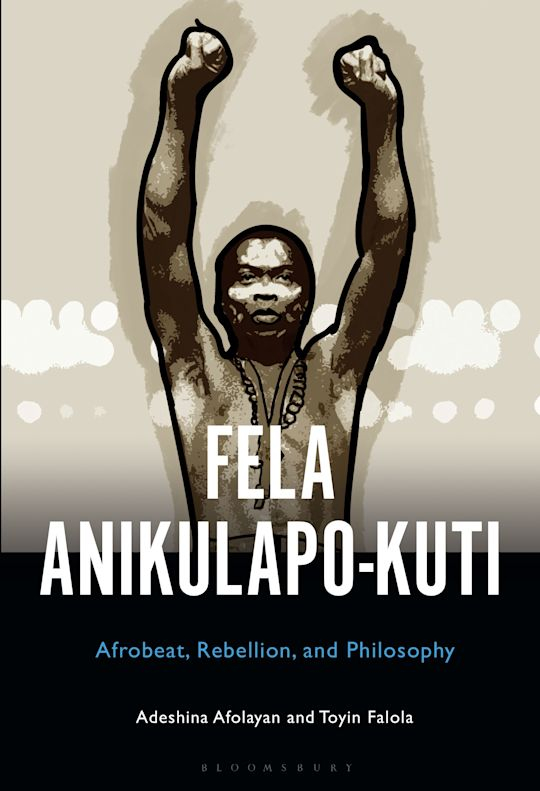

 Fela invented Afrobeat, blending African rhythms with jazz, funk and soul, using long, political songs to challenge power.
 Born October 15, 1938, in Abeokuta. His mother was Funmilayo Ransome-Kuti, a leading women’s rights activist, and his cousin was Wole Soyinka.
 In 1979, he ran for president under the Movement of the People party.
 He dropped “Ransome” and became “Anikulapo” meaning “he who carries death in his pouch.” to reject colonial identity.
 In 1978, he married 27 women in one ceremony, saying it reflected African tradition.
 He declared the Kalakuta Republic in Lagos,
 A 1969 trip to the US exposed him to Black Panthers and Malcolm X, turning his music into a tool for protest.
 He was arrested over 200 times for openly attacking corruption and military rule.
 He carried a coffin to mock the government Fela and his crew paraded a symbolic coffin through Lagos to “bury” the corrupt regime.
 Smoked big spliffs onstage his signature “natural high” look.