
Satan and Goat Imagery: Biblical Symbolism vs. Later Tradition
The association between Satan and goat imagery is powerful in art and popular culture — but it is important to separate what the Bible actually says from what later folklore, medieval art, and occult symbolism developed.
1️⃣ The Bible: Goats Are Not Automatically Satan
In Scripture, goats are not direct symbols of Satan.
They appear in three main contexts:
🐐 The Scapegoat (Leviticus 16)
On the Day of Atonement:
-
One goat was sacrificed.
-
The other (“scapegoat”) symbolically carried Israel’s sins into the wilderness.
Some scholars connect the wilderness goat with Azazel, a debated term that may refer to:
-
A remote place
-
A symbolic representation of evil
-
Or possibly a fallen spiritual being (interpretations vary)
However, Scripture does not explicitly say the scapegoat is Satan.
🐐 Goats in Matthew 25
In Jesus’ parable:
-
Sheep represent the righteous.
-
Goats represent those who failed to show compassion.
The distinction is ethical, not demonic.
The goats symbolize:
-
Neglect
-
Self-centeredness
-
Lack of mercy
They are not described as Satanic beings — but as people lacking love.
2️⃣ Where the “Devil Goat” Image Came From
The strong association between Satan and goats developed after biblical times, particularly in medieval Europe.
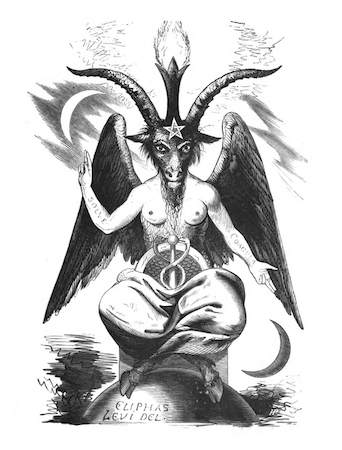
🔥 Baphomet
The goat-headed figure most people associate with Satan comes from:
-
19th-century occultist Éliphas Lévi
-
Medieval accusations against the Knights Templar
-
Later occult symbolism
This figure (Baphomet) blends:
-
Goat head
-
Human body
-
Esoteric symbols
It is not a biblical image.
3️⃣ Why Goats Became Associated with Evil
Several symbolic reasons explain the development:
1. Wilderness Symbolism
Goats thrive in harsh, wild places.
In biblical thought, wilderness often symbolized:
-
Chaos
-
Testing
-
Demonic encounter
Jesus was tempted by Satan in the wilderness.
2. Behavioral Traits
Goats are:
-
Independent
-
Stubborn
-
Boundary-testing
These traits symbolically matched medieval views of rebellion.
3. Pagan Imagery
Greek god Pan:
-
Had goat legs and horns
-
Represented nature and instinct
When Christianity spread through Europe, pagan deities were often demonized.
Pan’s imagery gradually merged with depictions of Satan.
4️⃣ Satan in the Bible: No Goat Description
Biblically, Satan is described as:
-
A serpent (Genesis 3)
-
An accuser (Job 1–2)
-
A dragon (Revelation 12)
-
An angel of light (2 Corinthians 11:14)
There is no direct biblical description of Satan as a goat.
The goat imagery is symbolic, cultural, and artistic — not scriptural.
5️⃣ Psychological Meaning of Goat Imagery
From a psychological perspective, the goat represents:
-
Unrestrained instinct
-
Independence without guidance
-
Rebellion against structure
Satan, in biblical theology, represents:
-
Rebellion against divine authority
-
Pride
-
Self-exaltation
Thus the goat became a fitting metaphor for rebellion — even if the Bible never explicitly links the two.
6️⃣ Sheep vs. Goat vs. Satan
| Symbol | Meaning in Scripture |
|---|---|
| Sheep | Trust, obedience, belonging |
| Goat | Separation, lack of compassion |
| Satan | Rebellion, deception, accusation |
The goat represents moral misalignment.
Satan represents cosmic rebellion.
They are related symbolically — but not identical.
7️⃣ Important Clarification
It is crucial not to overextend symbolism:
-
Goats are not evil animals.
-
Farmers have raised goats honorably for 10,000 years.
-
Biblical sacrifices involved goats in holy rituals.
The “devil goat” is largely a product of medieval imagination and later occult art.
Final Reflection
The goat became a symbol of rebellion because it embodied visible traits:
-
Independence
-
Wilderness resilience
-
Defiance of boundaries
Satan became associated with the goat not because Scripture said so — but because symbolism evolved through culture, art, and theology.
In the Bible, the deeper issue is not animal imagery.
It is character:
Pride vs. humility.
Rebellion vs. trust.
Self-rule vs. divine alignment.
That battle happens in the human heart — not in the barnyard.