
The term “Antichrist” in the Bible refers to someone who denies Christ or opposes Him. The concept has evolved over time, and various historical figures have been labeled as the Antichrist by different groups or individuals based on their actions or perceived opposition to Christian teachings. Here are ten people who have been called the Antichrist by various sources throughout history:
Today Both leaders claim Christian identities, their actual religious beliefs and practices are subject to interpretation and skepticism. Their personal faith is often intertwined with their political personas, leading to varying perceptions about the authenticity and depth of their Christianity.
- Nero (37–68 AD) – The Roman Emperor Nero was one of the first figures to be associated with the Antichrist in Christian tradition, primarily due to his persecution of Christians and the belief that his reign fit the description of the “beast” from the Book of Revelation.
- Domitian (51–96 AD) – Another Roman Emperor, Domitian was also identified as the Antichrist by some early Christians due to his oppressive rule and persecution of Christians.
- Martin Luther (1483–1546) – The Protestant Reformer Martin Luther labeled the Pope as the Antichrist, reflecting his opposition to the Roman Catholic Church’s practices and authority.
- Pope Leo X (1475–1521) – Similarly, Pope Leo X was accused of being the Antichrist by some Protestant reformers, particularly during the Reformation, due to his perceived corruption and opposition to Protestantism.
- Napoleon Bonaparte (1769–1821) – Some 19th-century commentators saw Napoleon as a figure embodying the Antichrist, especially because of his opposition to established monarchies and his influence in reshaping Europe.
- Adolf Hitler (1889–1945) – The leader of Nazi Germany was labeled the Antichrist by various groups due to his extreme ideology, genocidal policies, and persecution of Christians and Jews.
- Joseph Stalin (1878–1953) – The Soviet leader was also considered by some to be the Antichrist due to his atheistic and repressive regime, which opposed Christianity and engaged in widespread persecution.
- Mao Zedong (1893–1976) – The Chinese Communist leader, known for his harsh rule and persecution of religious groups, was viewed by some as a candidate for the Antichrist.
- Charles Manson (1934–2017) – The cult leader, responsible for a series of murders in the late 1960s, was described by some as embodying Antichrist-like qualities due to his charismatic manipulation and violent actions.
- Osama bin Laden (1957–2011) – The leader of al-Qaeda and mastermind behind the September 11 attacks was called the Antichrist by some due to his extremist views and the violence he perpetrated.
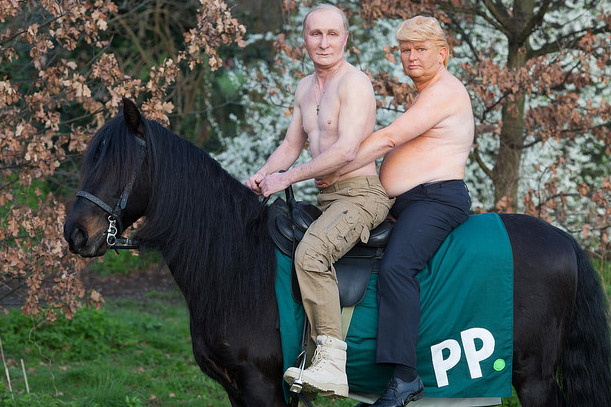
Donald Trump and Vladimir Putin are contemporary figures who have been labeled as the Antichrist by some commentators and conspiracy theorists. Here’s a brief overview of how and why they might be associated with the term:
Donald Trump
- Perceptions and Claims:
- Some critics and conspiracy theorists have labeled Donald Trump as the Antichrist due to his controversial rhetoric, policies, and the strong reactions he has elicited from various groups. These claims are often based on his unconventional political style and the divisive nature of his presidency rather than any specific theological basis.
- Biblical References:
- Certain interpretations of biblical prophecy have been stretched to fit modern political figures. Some believe that Trump’s leadership style, perceived narcissism, and populist approach align with descriptions of the Antichrist as a charismatic and deceptive leader.
- Cultural and Political Context:
- The labeling of Trump as the Antichrist often reflects broader anxieties about political instability, division, and the end times rather than a direct application of biblical prophecy.
Vladimir Putin
- Perceptions and Claims:
- Vladimir Putin has also been described as the Antichrist by some, particularly those who are critical of his authoritarian style, human rights record, and geopolitical ambitions. His actions in conflicts like the annexation of Crimea and alleged interference in other countries’ affairs contribute to these perceptions.
- Biblical References:
- Similar to Trump, the application of the term Antichrist to Putin is more about aligning his actions with biblical descriptions of an end-times figure. His consolidation of power, control over media, and suppression of dissent are seen by some as characteristics of the Antichrist.
- Cultural and Political Context:
- The use of the term Antichrist in this context often reflects concerns about global power dynamics and the rise of authoritarianism, rather than specific theological criteria.
Important Considerations
- Biblical Definition: The biblical concept of the Antichrist is rooted in specific scriptural descriptions, primarily from the New Testament, such as those found in 1 John 2:18 and Revelation. These references generally speak to someone who denies Christ or opposes Christian teachings in a profound way.
- Modern Usage: The application of the term Antichrist to contemporary political figures is often more a matter of interpretation and rhetoric rather than a direct theological claim. It reflects broader fears or criticisms rather than specific prophetic fulfillment.
Both Donald Trump and Vladimir Putin have identified as Christians, but their personal faith and how it influences their public and political lives are subjects of debate and interpretation.
Donald Trump
- Religious Identity:
- Donald Trump has publicly identified as a Christian, specifically a Protestant. He was raised in the Presbyterian tradition and has attended various Protestant churches throughout his life.
- Religious Practice:
- Trump’s religious practices and beliefs have been a point of contention. He has been described as having a more cultural and nominal affiliation with Christianity rather than deep theological engagement. His public statements about faith and his approach to religious matters have varied, and some critics argue that his actions and rhetoric do not always reflect traditional Christian values.
- Support from Evangelicals:
- Despite concerns about his personal faith, Trump received significant support from Evangelical Christians during his presidency. Many Evangelicals supported him due to his policies on issues like abortion, religious freedom, and conservative judicial appointments, which they believed aligned with their values.
Vladimir Putin
- Religious Identity:
- Vladimir Putin has identified as a Russian Orthodox Christian. He was baptized into the Russian Orthodox Church and has made numerous public statements affirming his faith.
- Religious Practice:
- Putin’s relationship with the Russian Orthodox Church is complex. While he publicly aligns himself with Orthodox Christianity and has participated in church events, some observers view his religious affiliation as part of a broader strategy to consolidate power and support within Russia. His policies and actions, especially concerning issues like the treatment of religious minorities and church-state relations, often raise questions about the depth of his personal faith versus political pragmatism.
- Role of the Church:
- The Russian Orthodox Church under Putin has experienced increased influence and alignment with the state. This has led to some skepticism about the genuine nature of his faith and whether it serves political and nationalistic goals more than personal spiritual conviction.