

BMW, short for Bayerische Motoren Werke AG, is a German multinational company known for luxury vehicles, motorcycles, and engines. Here’s a list of twenty lesser-known facts about BMW, including its origins and more:
1. Founding Date and Origins
- BMW was founded on March 7, 1916, originally as an aircraft engine manufacturer. The company’s roots trace back to the Rapp Motorenwerke company.
2. Initial Focus
- The company’s early focus was on aircraft engines during World War I. After the war, the Treaty of Versailles prohibited German companies from producing aircraft engines, so BMW shifted to manufacturing motorcycles in 1923.
3. First Aircraft Engine
- BMW’s first aircraft engine, the BMW IIIa, was known for its high-altitude performance and was used in various World War I aircraft.
4. BMW Logo Origin
- Contrary to popular belief, the BMW logo does not represent a spinning propeller. It actually represents the colors of the Bavarian state flag—blue and white—arranged in a circular design.
5. Entry into Automobile Production
- BMW entered the automobile market in 1928 by purchasing the Fahrzeugfabrik Eisenach, which produced the Dixi 3/15, a licensed copy of the Austin 7, BMW’s first car.
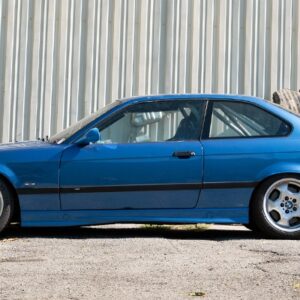
6. World War II and BMW
- During World War II, BMW shifted its focus back to aircraft engines, motorcycles, and vehicles for the German military. The company’s plants were heavily bombed during the war, and it took years for BMW to recover.
7. Post-War Struggles
- After World War II, BMW was banned from producing vehicles for three years. The company barely survived, shifting briefly to making pots, pans, and bicycles.
8. First Post-War Car
- BMW’s first post-war car was the BMW 501, introduced in 1952. However, it was the BMW Isetta, a microcar, that helped the company survive the economic difficulties of the 1950s.
9. The Isetta
- The BMW Isetta was originally designed by the Italian company Iso. BMW bought the rights and modified it, making it one of the most successful microcars in history.
10. Luxury Sedans
- The BMW 7 Series, introduced in 1977, became the company’s flagship luxury sedan and is known for its advanced technology and comfort.
11. BMW M Division
- The BMW M division, responsible for the company’s high-performance cars, started in the early 1970s. The BMW M1, introduced in 1978, was the first car developed entirely by this division.
12. Motorcycles
- BMW Motorrad, the motorcycle division of BMW, was established in 1923. The BMW R32, the first motorcycle under the BMW name, featured a flat-twin boxer engine, a design still used in some BMW motorcycles today.
13. Electric Vehicles
- BMW was an early adopter of electric vehicle technology, with its first electric car, the BMW 1602, appearing in 1972 as a demonstration vehicle at the Munich Olympics.
14. Hydrogen-Powered Cars
- BMW has also invested in hydrogen fuel technology, introducing the BMW Hydrogen 7 in 2006, the world’s first production-ready hydrogen-powered car.
15. The “Ultimate Driving Machine” Slogan
- BMW’s famous slogan, “The Ultimate Driving Machine,” was introduced in the 1970s and has been a key part of the brand’s identity ever since.
16. Art Cars
- BMW has a unique “Art Car” program where famous artists, like Andy Warhol and Jeff Koons, have painted BMW cars, turning them into moving works of art.
17. Sustainability Efforts
- BMW has made significant strides in sustainability, with the BMW i3 and i8 being part of the BMW i sub-brand, which focuses on electric and plug-in hybrid vehicles.
18. Mini and Rolls-Royce
- BMW owns two other iconic automotive brands: Mini and Rolls-Royce. BMW acquired the rights to the Mini brand in 1994 and Rolls-Royce in 1998.
19. Global Reach
- BMW operates 31 production and assembly facilities in 15 countries and has a global sales network in more than 140 countries.
20. BMW in Motorsport
- BMW has a rich history in motorsport, particularly in touring cars and Formula 1. BMW engines powered the Brabham team to the 1983 Formula 1 World Championship.
BMW’s journey from a small aircraft engine manufacturer to one of the world’s leading luxury car brands is filled with innovation, resilience, and a commitment to engineering excellence.
1. Founding and History: BMW, Bayerische Motoren Werke AG, was founded in 1916 in Munich, Germany, initially producing aircraft engines. The company transitioned to motorcycle production in the 1920s and eventually to automobiles in the 1930s.
2. Iconic Logo: The BMW logo, often referred to as the “roundel,” consists of a black ring intersecting with four quadrants of blue and white. It represents the company’s origins in aviation, with the blue and white symbolizing a spinning propeller against a clear blue sky.
3. Innovation in Technology: BMW is renowned for its innovations in automotive technology. It introduced the world’s first electric car, the BMW i3, in 2013, and has been a leader in developing advanced driving assistance systems (ADAS) and hybrid powertrains.
4. Performance and Motorsport Heritage: BMW has a strong heritage in motorsport, particularly in touring car and Formula 1 racing. The brand’s M division produces high-performance variants of their regular models, known for their precision engineering and exhilarating driving dynamics.
5. Global Presence: BMW is a global automotive Company
6. Luxury and Design: BMW is synonymous with luxury and distinctive design, crafting vehicles that blend elegance with cutting-edge technology and comfort.
7. Sustainable Practices: BMW has committed to sustainability, incorporating eco-friendly materials and manufacturing processes into its vehicles, as well as advancing electric vehicle technology with models like the BMW i4 and iX.
8. Global Manufacturing: BMW operates numerous production facilities worldwide, including in Germany, the United States, China, and other countries, ensuring a global reach and localized production.
9. Brand Portfolio: In addition to its renowned BMW brand, the company also owns MINI and Rolls-Royce, catering to a diverse range of automotive tastes and luxury segments.
10. Cultural Impact: BMW’s vehicles often become cultural icons, featured in f