






Screenshot
Screenshot
🧵 The Core Argument: Lens vs. Reality
The debate is not silly. It is highly uncomfortable. It threatens our established world framework. The bones in the earth never changed. Only our cultural lens changed.
📜 1. The Power of Human Testimony
- Consistent Global Memory: Ancient cultures recorded dragons. No ancient culture recorded a T-Rex.
- Stable Biological Outlines: Scales, wings, and long tails appear globally. This matches eyewitness memory, not random fiction.
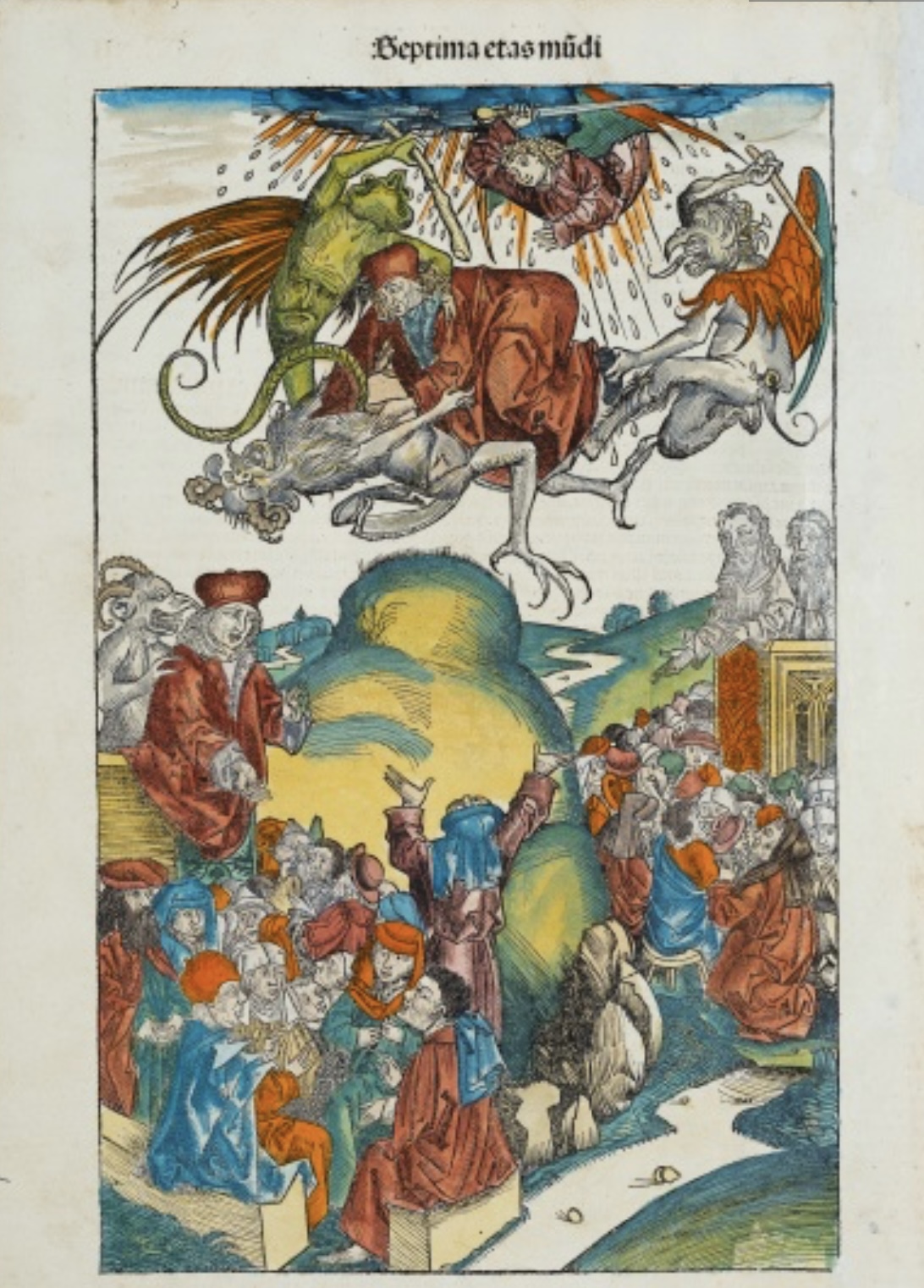
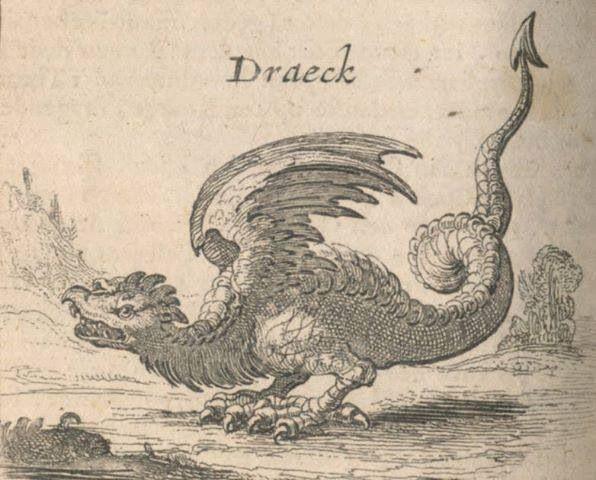
- Natural History Classification: Medieval European bestiaries filed dragons as “dangerous creatures”. They were not filed under imagination.
- The Chinese Zodiac Detail: Eleven zodiac animals are plainly real. The twelfth is the dragon. Real systems rarely rely on purely fake entities.
🦴 2. The Invention of the “Dinosaur”
- A Modern Framework: Richard Owen coined “Dinosaur” in 1842. Before this, massive bones were called dragons or giants.
- Traditional Medicine: For centuries, China harvested longgu (“dragon bones”). Western science later reclassified these exact physical remains.
- Museum Reconstructions: Most museum displays are plastic casts or replicas. Missing pieces are sculpted based on assumptions.
- Layered Interpretations: A single fragment turns into a posture. That posture dictates a timeline and an entire worldview.
🦅 3. Modern Eyewitness Accounts
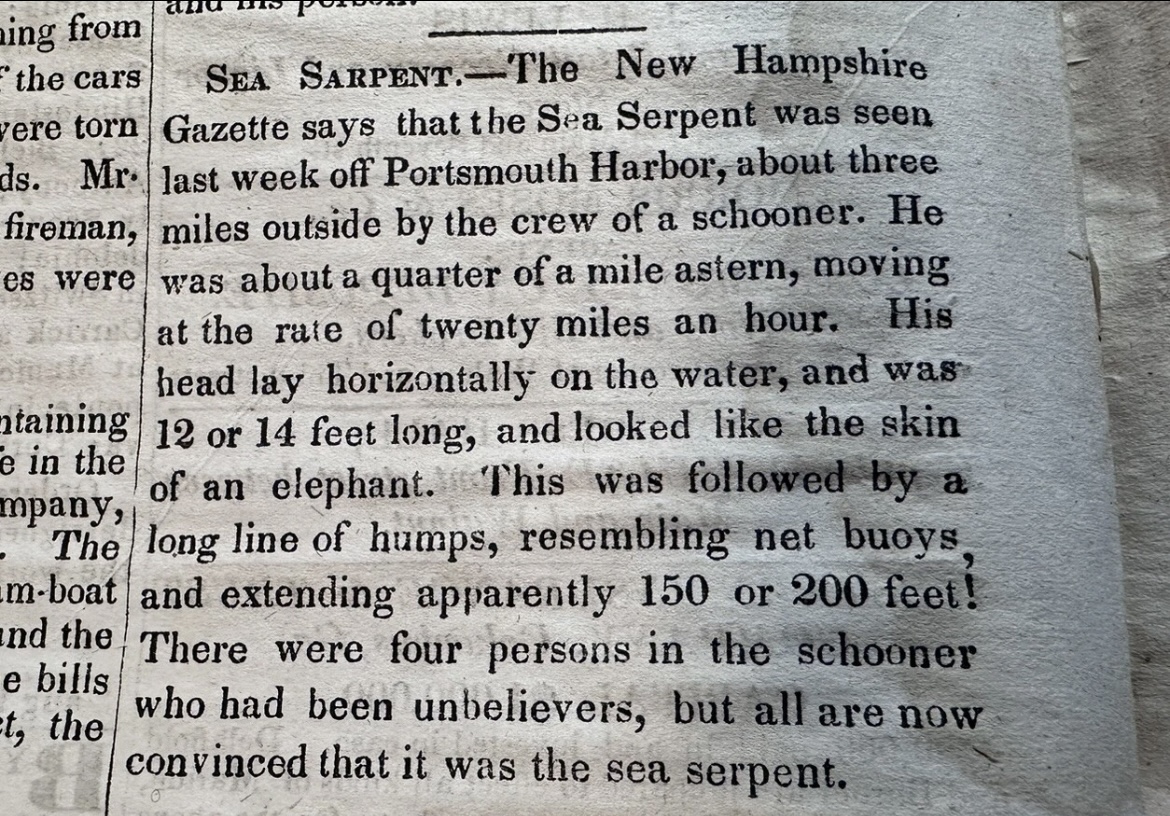
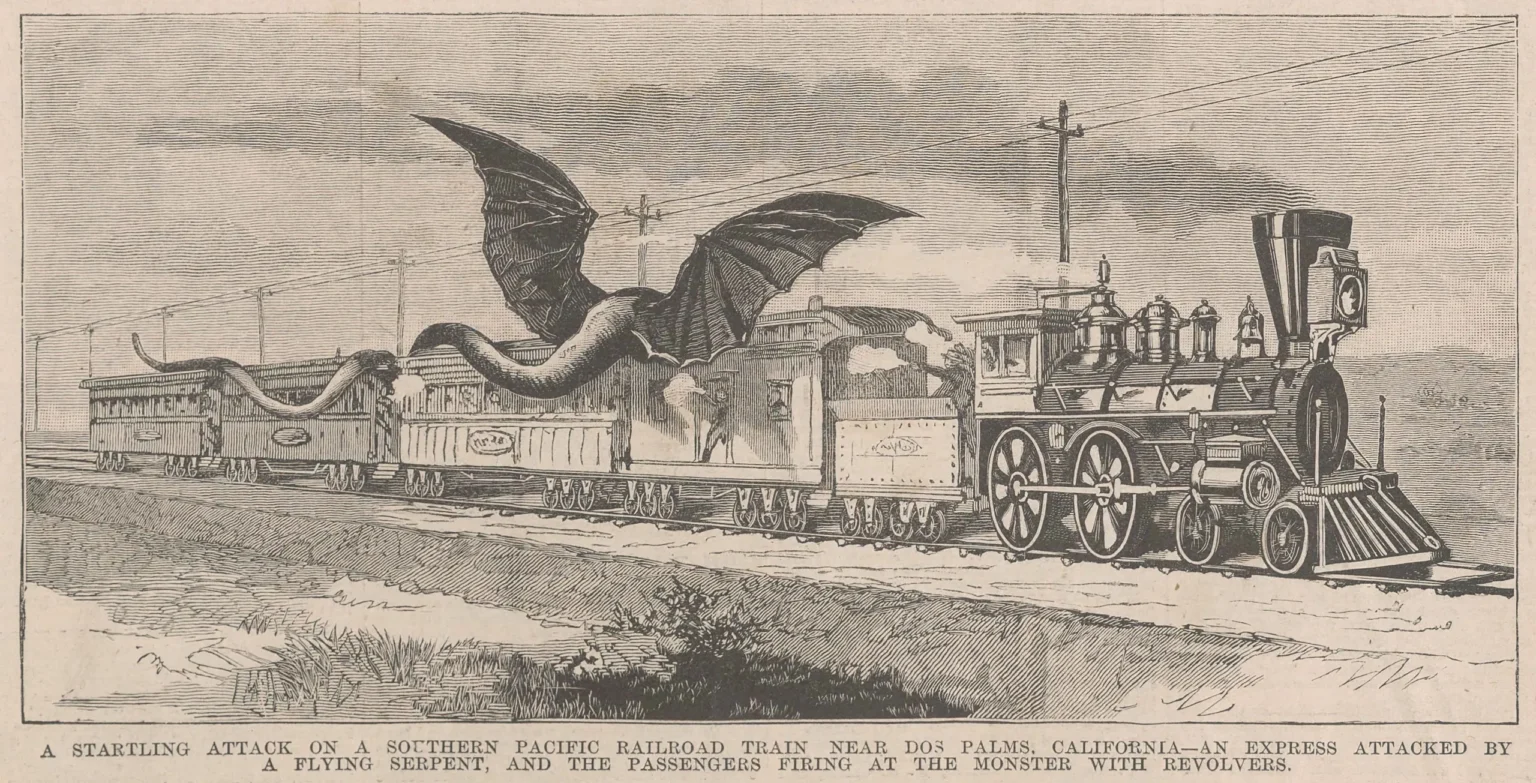
- The 1882 Train Collision: A Los Angeles Times report detailed an airborne “flying snake” hitting a train.
- Institutional Policing: Modern frameworks train people to self-censor. Anything violating the official timeline is immediately dismissed.
⚖️ 4. The Spiritual Implications
In medieval societies, the dragon was classified within the same framework as regular animal species. Legends, stories, and images turned it into a symbol of the Middle Ages that would transcend time.
- The Dinosaur Model: Places death and random chance before human existence. It normalizes a world built on millions of years of suffering.
- The Dragon Model: Places creatures directly inside human history. It fits a worldview of design, morality, and ultimate judgment.
The airborne “flying snake” report is a famous 19th-century newspaper tall tale. The Los Angeles Times published a sensational story on January 18, 1882, claiming that a Southern Pacific express train was attacked by a massive, winged, 30-foot-long serpent in the California/Arizona desert.
According to the original report:
-
- The Encounter: The moving train reportedly clipped off a portion of the monster’s tail.
- The Attack: Enraged, the airborne creature chased the locomotive, overtook it, and began thrashing the train cars while shattering windows.
- The Aftermath: Panicked passengers fired their revolvers at the beast to no effect until it eventually flew off into the desert.
Historians of journalism generally categorize this story as “newspaper sensationalism”. During the late 1800s, it was a common and popular practice for Western frontier newspapers to publish semi-fictional stories, hoaxes, and exaggerated folklore to entertain readers.